
How AI Is Changing Interior Design in India in 2026
A few years ago, AI interior design was a novelty - something most people tried once out of curiosity and never really came back to. That's changed. By 2026, it's quietly become part of how homeowners across Indian cities plan a renovation, and how design studios pitch and execute projects. This piece looks at what's changed why India has taken to this so quickly and where the technology still runs into real limits.
Why 2026 Is a Turning Point for AI Interior Design in India
From a Novelty to a Daily Planning Tool
The shift isn't really about technology getting smarter overnight. It's about AI room design tools becoming good enough fast enough and simple enough that using one no longer feels like an experiment. People now open one the same way they'd open a maps app expecting a useful result on the first try rather than treating it as a side project.
What's Driving Adoption in Indian Homes Specifically
A few things line up in India's favor here. Apartment sizes in most metro cities are compact which makes getting a layout right the first time genuinely valuable rather than a nice to have. Renovation cycles also tend to move fast once a family decides to act often squeezed around a festival, a wedding or a new date which leaves little room for the slow back and forth of traditional design consultations. AI interior design tools fit neatly into that timeline because they let people explore several directions in the time it used to take just to schedule a first meeting.
How Indian Homeowners Are Actually Using AI Room Design Right Now
Testing a Modular Kitchen or Living Room Before Hiring Anyone
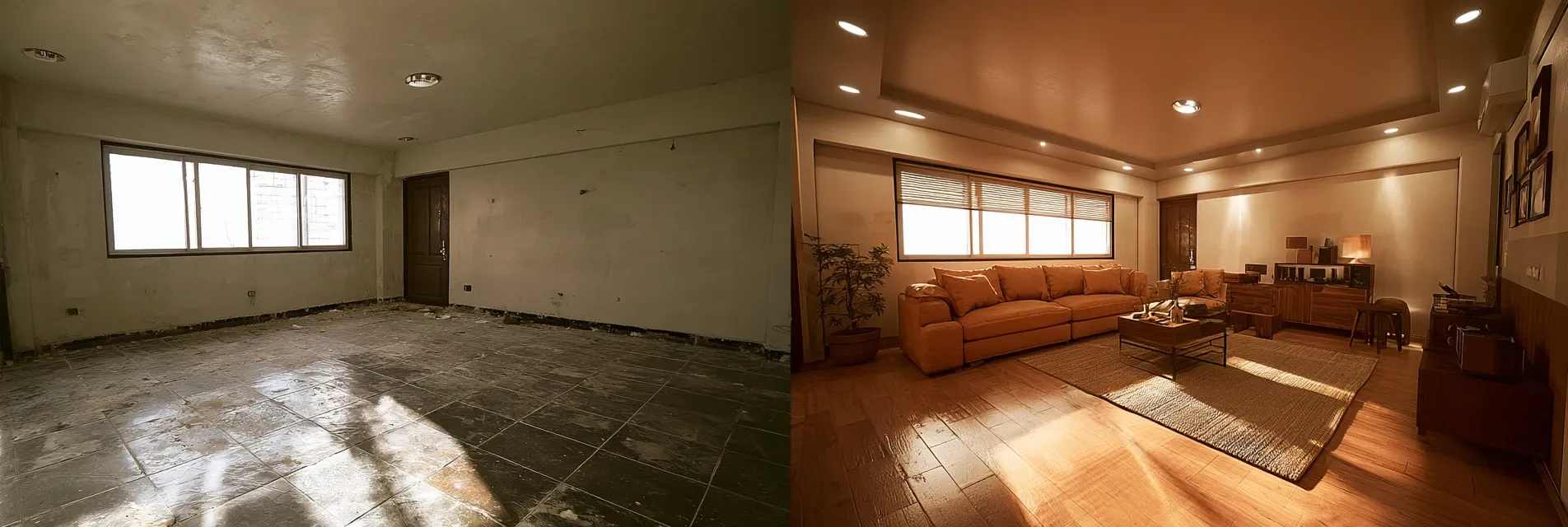
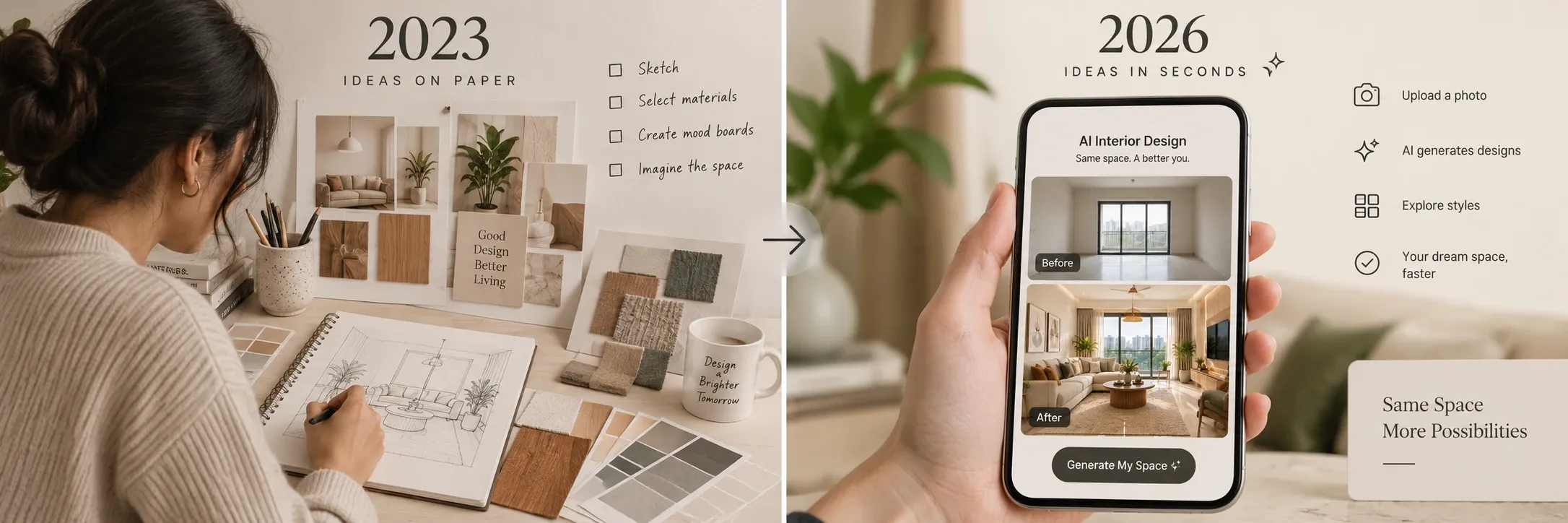
A lot of homeowners are now using AI tools before they've even picked a contractor or designer. Uploading a photo of an existing kitchen or living room and generating a few style directions gives people something concrete to bring into that first conversation instead of trying to describe a vague idea out loud.
Comparing a Designer's Proposal Against Your Own Ideas
Some homeowners are using these tools the other way around too taking a proposal from a designer or a modular kitchen vendor and generating their own version of the same space to see if a different direction might suit them better before committing.
Furnishing a New Apartment Before Possession
New apartment buyers in cities like Bangalore, Pune and Gurugram often get access to their unit weeks or months before they actually move in. Style Empty Room lets someone photograph a bare unfinished apartment and generate a fully furnished version of it, which has become a genuinely popular way to start planning furniture and decor before the keys are even handed over.
How AI Tools Are Changing the Way Indian Studios and Designers Work
Faster Client Presentations
Design studios have felt this shift just as much as homeowners have. What used to take a junior designer a day or two to mockup can now be generated in minutes. Reimagine Room is increasingly used by studios to turn a site photo into two or three style directions for an initial client meeting which speeds up the early back and forth considerably.
Vendor and Material Shortlisting
AI interior design tools are also changing how studios shortlist materials and finish for a project. Instead of physically sourcing samples for every option under consideration designers can visualize several finish combinations directly on a client's actual space first and narrow things down before involving a vendor at all.
Region Specific Shifts Shaping AI Interior Design in India
Smaller Urban Footprints and the Modular Kitchen Boom
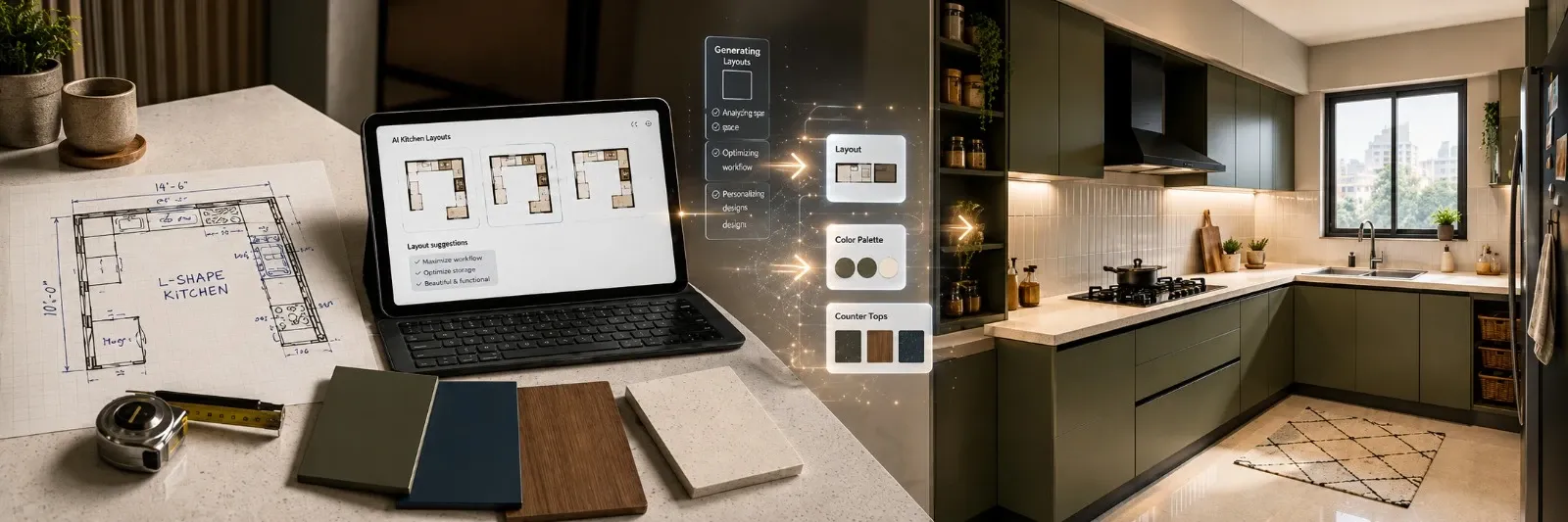
Modular kitchens have been trending in Indian homes for a while now and AI tools have made testing modular layouts noticeably more accessible. A homeowner in a compact 2BHK can compare an L shaped modular layout against a parallel one without needing to fully understand kitchen design principles themselves since the tool handles that translation for them.
The Growing Vendor and Marketplace Ecosystem
There's also a growing ecosystem of vendors, from modular kitchen brands to furniture marketplaces, that are starting to integrate with our reference AI generated designs during the sales process. A render generated at home is increasingly treated as a legitimate starting point for a vendor conversation rather than something that needs to be redone from scratch in store.
Interior Design Then vs Now: 2023 to 2026 in India
|
Factor |
2023 |
2026 |
|
Typical Starting Point |
In person consultation |
A photo and an AI generated concept |
|
Directions Explored Before Deciding |
One or two |
Several often five or more |
|
Who Initiates the First Concept |
Designer or vendor |
Often the homeowner themselves |
|
Tools Homeowners Use Directly |
Rare mostly Pinterest boards |
Increasingly common purpose-built AI tools |
|
Decision Confidence Before Hiring |
Low based on imagination |
Higher based on a visual reference |
What Indian Homeowners Should Know Before Uploading Photos to Any Tool
It's worth being a little thoughtful about which platforms you upload home photos to since a photo of your living room or bedroom is personal information about your home and how it's laid out. Reputable AI interior design tools are generally clear about how uploaded images are used and stored and it's reasonable to check that before uploading anything especially if the space includes visible personal details, you'd rather not have stored indefinitely.
Where Human Designers Still Have the Edge in 2026
Structural Work and Vendor Execution
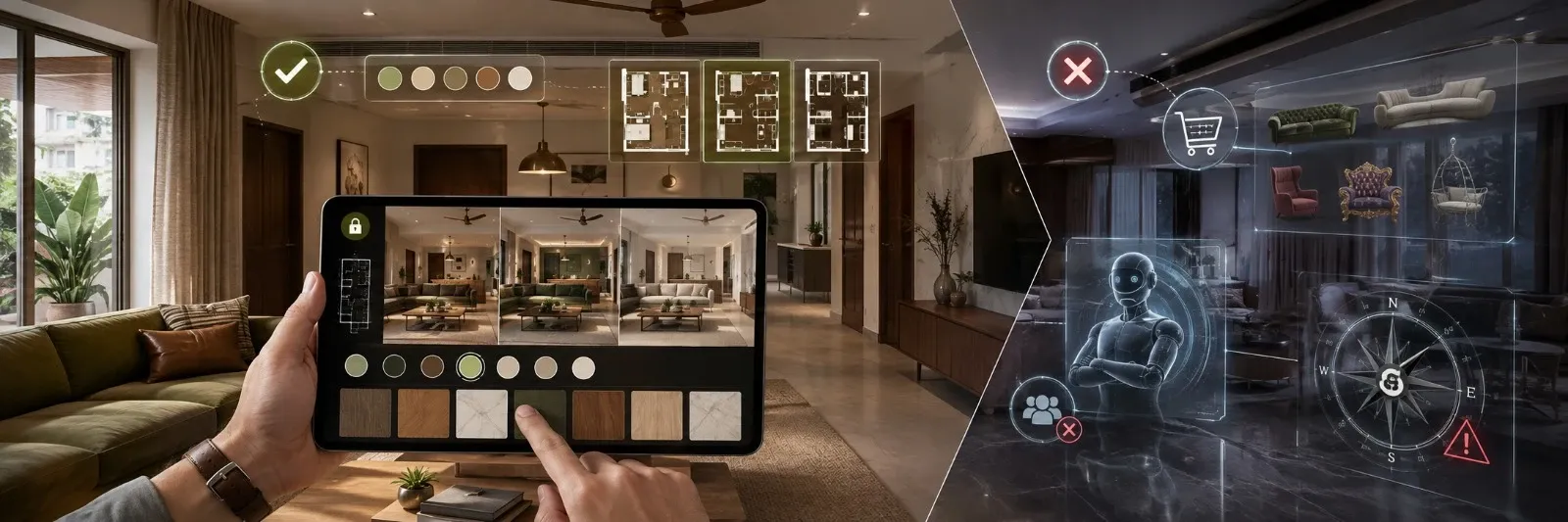
None of these changes the fact that structural work like moving a wall, changing plumbing lines or altering electrical layouts still needs a qualified professional involved. AI interior design tools are visualization tools not engineering ones and a render that looks convincing doesn't automatically mean the change it shows is something you’re building or your budget can support.
Judgment on How a Specific Family Actually Lives
A designer who spends time understanding how a specific family uses a space whether that's a joint family needing separate zones or a household with young children and specific safety needs brings a kind of judgment that a generated image simply can't replicate on its own. AI is excellent at generating options quickly. It's still up to a person to know which option fits how people live.
Getting Started with AI Room Design in Your Own Home
If you want to try this for yourself the easiest starting point is a room you already have a photo of. Relayout Room tool lets you test a new furniture arrangement using your existing pieces which is a low-pressure way to see what these tools can actually do before committing to any bigger changes.
Final Thoughts
AI interior design in India has moved well past the experimental phase in 2026. Homeowners are using it to walk into their first designer meeting with a clear direction already in hand and studios are using it to compress the slowest part of the early design process into something that happens in minutes instead of days. None of this replaces the professionals who execute renovation, but it has genuinely changed where the process starts.
If you want to see what this looks like in practice, Designesto suite of AI room design tools lets you reimagine a space test, a new furniture layout or furnish an empty apartment, all built around your own home rather than a generic template.
In Case You Missed Anything
Everything you need to know about transforming your space with AI
It's genuinely being used not just as a novelty. Homeowners across major Indian cities are using AI room design tools before hiring designers and studios are using them to speed up client presentations and material shortlisting.
Compact apartment sizes tight renovation timelines tied to events like weddings or new possessions and a strong modular kitchen culture all make fast visual planning especially useful in the Indian context.
Yes. These tools work from your actual room photo rather than a predefined template so they adapt to whatever layout and proportions your specific apartment has.
They're reliable for style layout and furniture decisions but any structural change should always be confirmed with a qualified professional before work begins.
Unlikely in any complete sense. They speed up the early exploration phase considerably but sourcing execution and judgment on structural and budget realities still require a person.
Most reputable tools are transparent about how images are used but it's a reasonable habit to check a platform's privacy practices before uploading anything especially images of your home's interior.
Expect deeper integration with vendors and marketplaces more localized style options reflecting Indian tastes and materials and AI shifting further from a novelty tool to a standard first step in most renovation projects.